At the end of August, @angelo-duijst rode the European gravel championships at Houffalize in a Dutch national jersey and finished fourteenth. Three weeks later he was running before breakfast and playing tennis in Turkey.
Both of those are the same season, and the numbers in between are worth reading carefully, because at a glance they say something that is not true.
What he is building for is written in his own account settings, in Dutch:
I ride gravel races of four to five hours and I want to improve my threshold blocks. Based on my data, I expect you to train my weak points.
Most athletes want a plan. Asking the coach to find the weak points first is a larger thing to hand over.
Angelo is an IntervalCoach ambassador, which is how we know each other and worth stating here. The figures below are his, pulled from the same dashboard you have, and the stretch where they fall is in the post as well.
A summer spent racing
He raced the UCI Gravel series and finished in the top eight at every one: third at the One Fifty in April, seventh at Valkenburg in May, fifth at Vianden in June. February had already brought eighth and third on the two stages of Santa Vall.
July was three days at Winterberg: a prologue time trial where he placed thirtieth, then 105 kilometres, then 140 with three thousand metres of climbing. He abandoned the second stage on purpose, to have something left for the Sunday. The podium did not come, and he finished ninth.
That is worth pausing on. Pulling out of a stage you are capable of finishing, to protect a result two days later, is a decision made in cold blood in the middle of a race.
The European championships followed at the end of August, 150 kilometres at Houffalize. He prepared for the heat with a heat session every week in the run-up, and finished fourteenth in a field he rates highly enough to be openly proud of the ride.
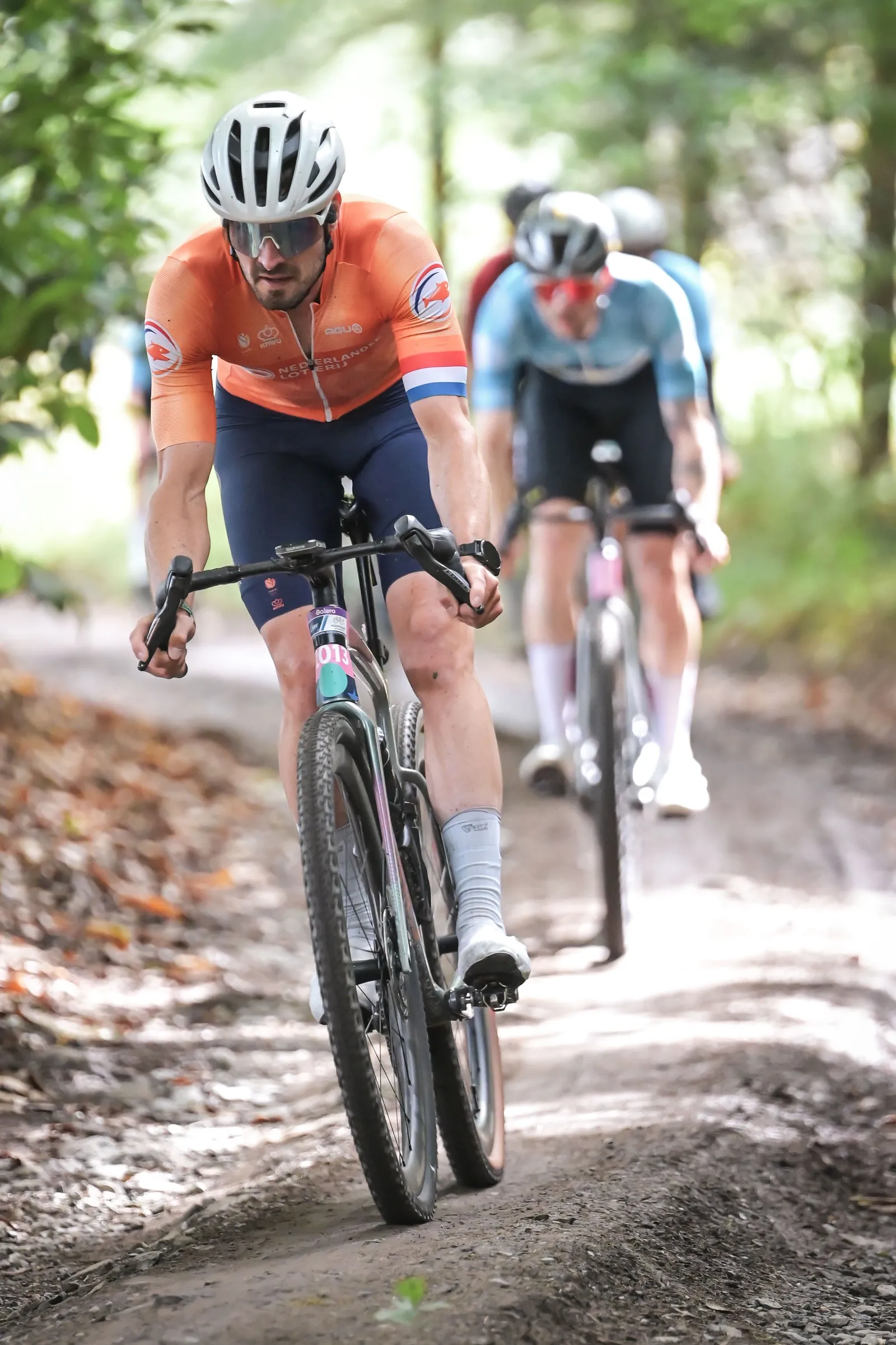
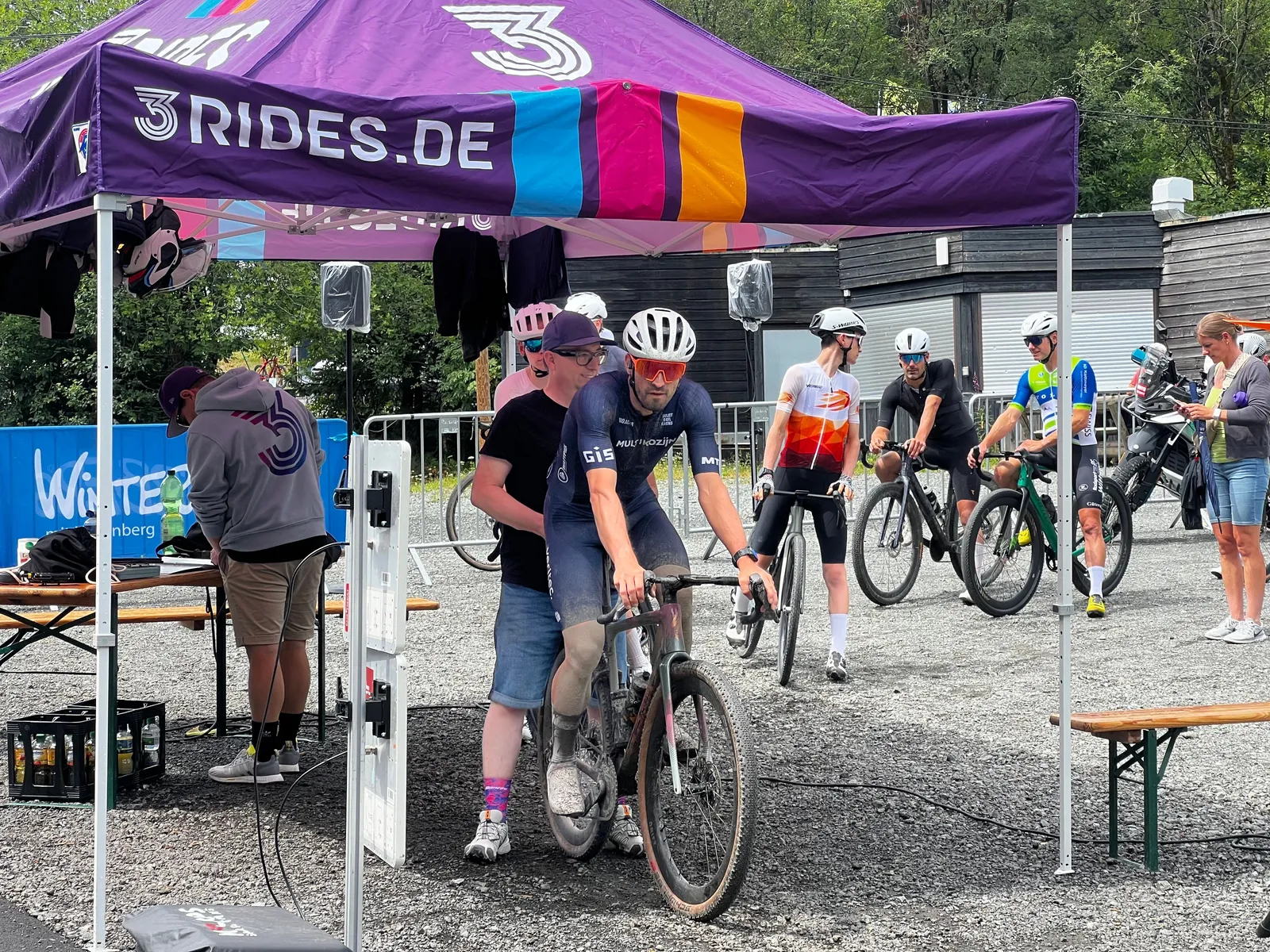
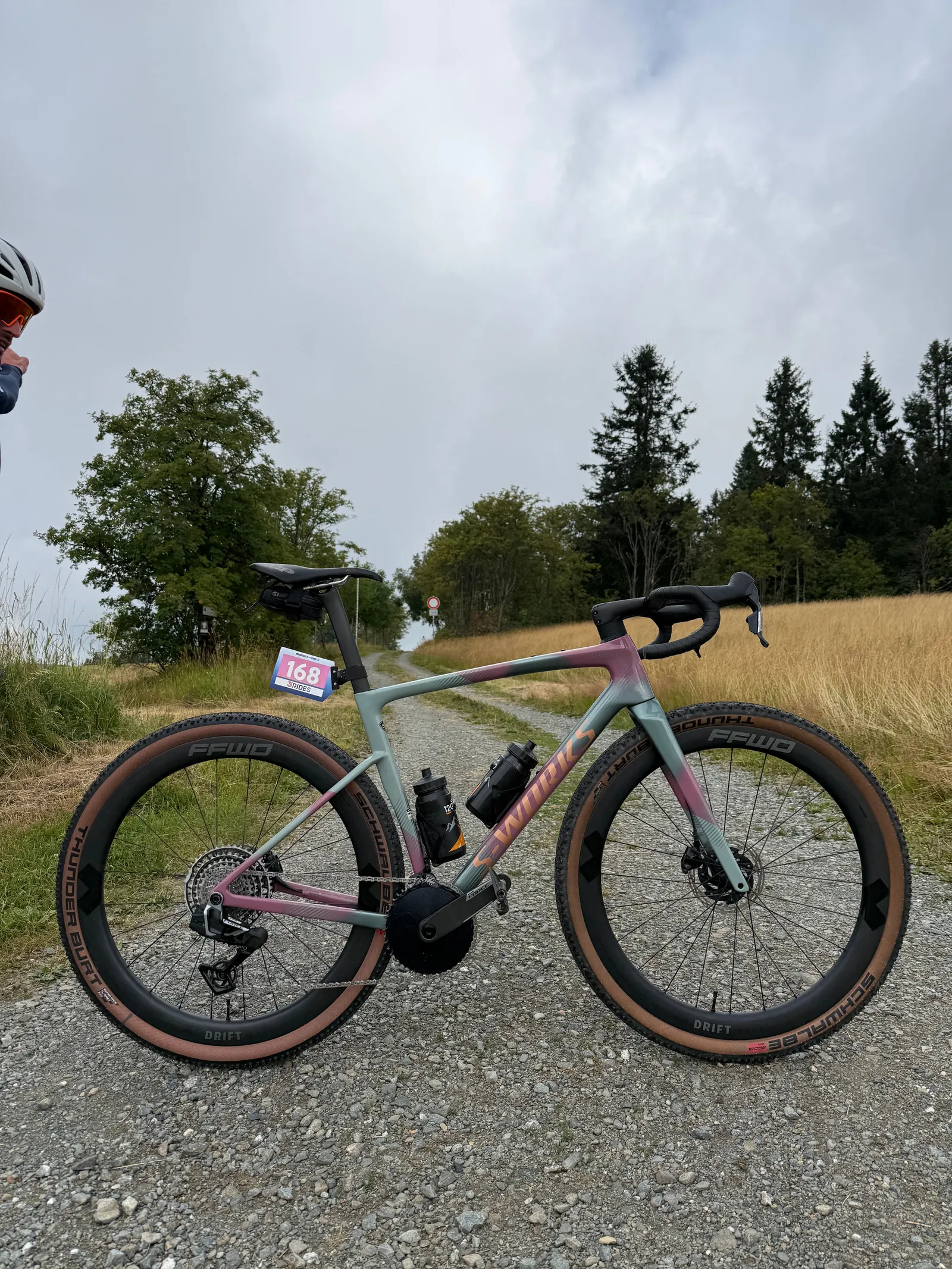
Through it his Fitness Base, the slow-moving column that takes months to build and months to lose, sat at 100 out of 100 for eight consecutive weekly snapshots, from the end of June to the middle of August. It is the only perfect run on that column I have seen in this series, and he held it while racing.
Then he stopped measuring
September went the other way, or so the numbers look at first.
| Peak this year | Now | |
|---|---|---|
| Estimated FTP | 352 W | 323 W |
| Twenty-minute power | 348 W | 292 W |
| Fitness (CTL) | 94 | 68 |
The obvious reading is twenty-six points of fitness and fifty-six watts gone. Angelo read this draft before it was published and disagreed, and he is right.
Both power figures come from what he actually rode, and he has not attempted a maximal twenty-minute effort in months. A power curve records the hardest thing an athlete happened to do, not the hardest thing they could do, and the estimate is built on that same data. Ride easy for long enough and both drift downward while the threshold itself sits where it was. His own recent references make the point: 394 watts for ten minutes, a provisional critical power around 360, a working threshold near 355. He plans a fresh twenty-minute test to settle it properly.
The Fitness number is a different kind of figure. It tracks recent training load rather than capacity, and load you deliberately did not do is load that does not count. After the August race the plan moves through a recovery block and then a fortnight of very little, so it comes down, which is the system behaving correctly.
The honest version of this table is not a record of decline. It is a gap in the recording.
What a quiet September looked like
He kept training. He stopped riding.
There is a week in Turkey in the middle of the month, and his own names for the sessions tell it better than the numbers do. Two games of tennis. A twenty-four minute run called "Voor het ontbijt", before breakfast. Another simply called "Herstel". Three mornings in the gym, none of them longer than forty-six minutes.
From the fifteenth, running appears in his plan for the first time in ninety days, and planned strength work follows five days after that. Neither had been scheduled anywhere in the previous three months.
He was back on the bike on the seventeenth, indoors, and called the ride "Terug in het gareel". Ninety minutes, 46 TSS. The next morning, another ninety minutes, this one named "Wakker worden op de indoor".
What the score noticed
| Week | Total | Fitness Base |
|---|---|---|
| Jul 19 | 82 | 100 |
| Aug 16 | 77 | 100 |
| Aug 30 | 83 | 82 |
| Sep 20 | 73 | 87 |
The Total has sat between 73 and 83 since the end of June, through racing, recovery and the quiet weeks alike. Fitness Base stepped down eighteen points in late August and has since come back to 87, which is most of the way but not all of it.
Thirteen weeks back up
The block ahead is the test of what he asked for. He wanted his threshold blocks trained and his weak points found, and the plan's answer is a polarized build on four-week cycles: three weeks up, one recovery week, repeat. It asks for 370 TSS, then 395, then 395, and steps up from there to 405 in two peak weeks at the end. Nine rides, two runs, two gym sessions and three rest days in the coming fortnight alone.
Three weeks after the European championships, that is a lot to take on off a quiet month. His next few snapshots will show whether it landed, and so will that twenty-minute test.
You can follow him at intervalcoach.app/p/angelo-duijst. You can see your own version of this on your Analytics page: your eFTP history, your Fitness Base, the shape of your own season. And if you would like to be featured in a future spotlight, reply to any IntervalCoach email and say so. The riders in this series are real, the numbers are theirs, and the work is the point.