On a Saturday morning in mid-August, Alfred crossed the line of the Tavelsjö Halvmarathon in northern Sweden in 1:28:00. He ran it exactly the way the plan asked: heart rate parked right at his threshold from the first kilometre to the last, 147 TSS in 88 minutes, no fade. Then he logged it with the dry precision he applies to everything: race name, final time, done.
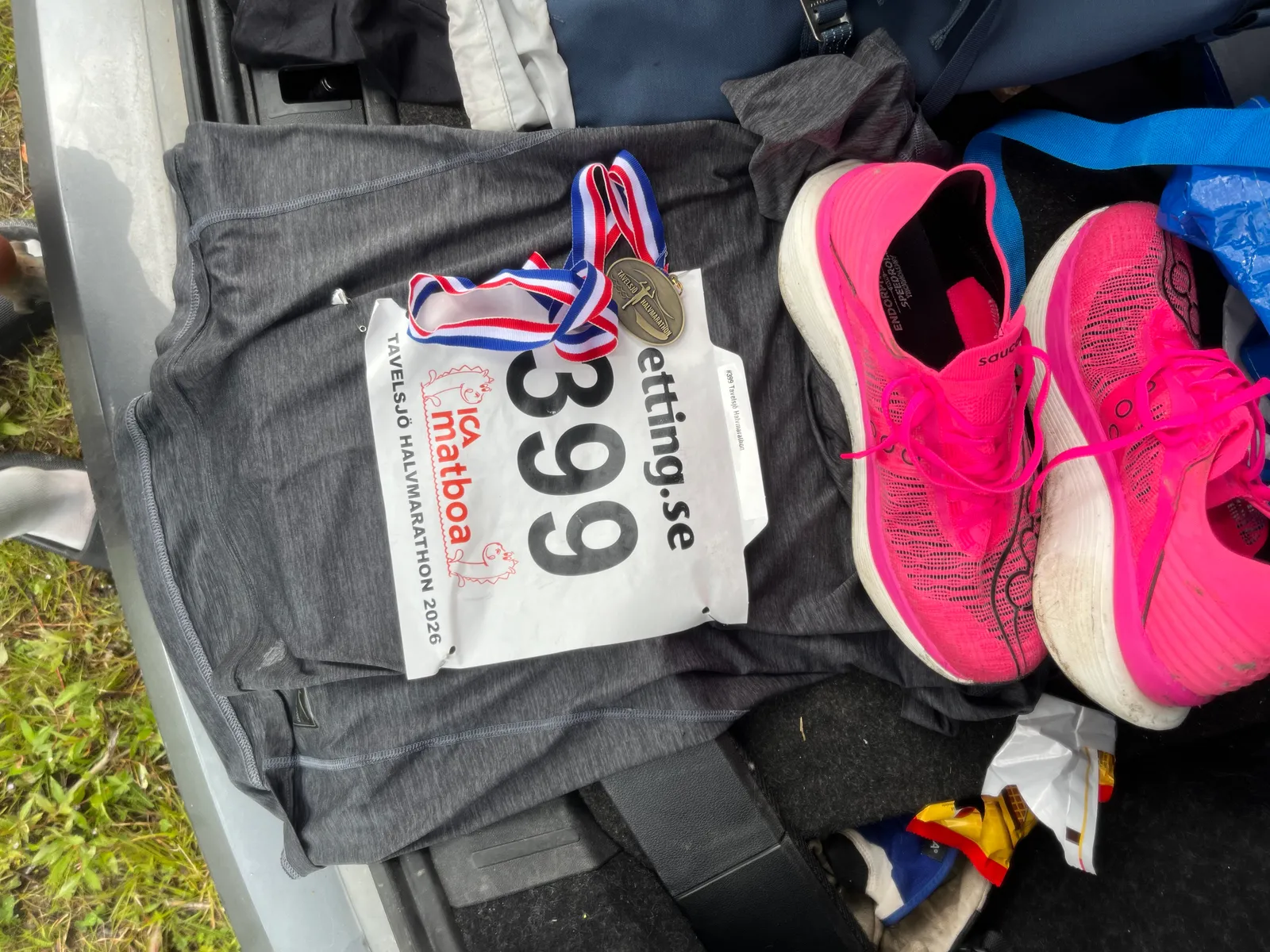
Here is the part that makes it a story. Over the last three months his files show 222 kilometres of running. They show 1,932 kilometres of riding. And here is the part that makes it remarkable: that data is not the visible slice of a long athletic career. It is essentially the whole thing.
Alfred started training actively about a year ago, and with real structure for roughly the last eight to ten months. Before that there was no endurance base quietly compounding in the background, no junior racing years, nothing beyond some recreational cross-country skiing in winter, a few hours a week at most. In his own words:
There wasn't a big endurance background hidden somewhere. Most of it has been developed relatively recently through consistent cycling, running and skiing, with the bike commute providing a large part of the easy aerobic volume.
That engine got built in the most unglamorous place imaginable, the commute. Tuesday through Friday he rides to work, just under 28 kilometres each way, morning leg before seven, evening leg after four. Two of those legs on a workday, fifty to sixty minutes each, almost all of it strict Zone 2. He has standing instructions with his coach to keep it that way: 80/20, plenty of easy volume, at most one or two quality sessions a week, and tell me plainly what was good and what was bad about every session. IntervalCoach coaches him in Swedish, and the analyses that come back are as blunt as he asked for.
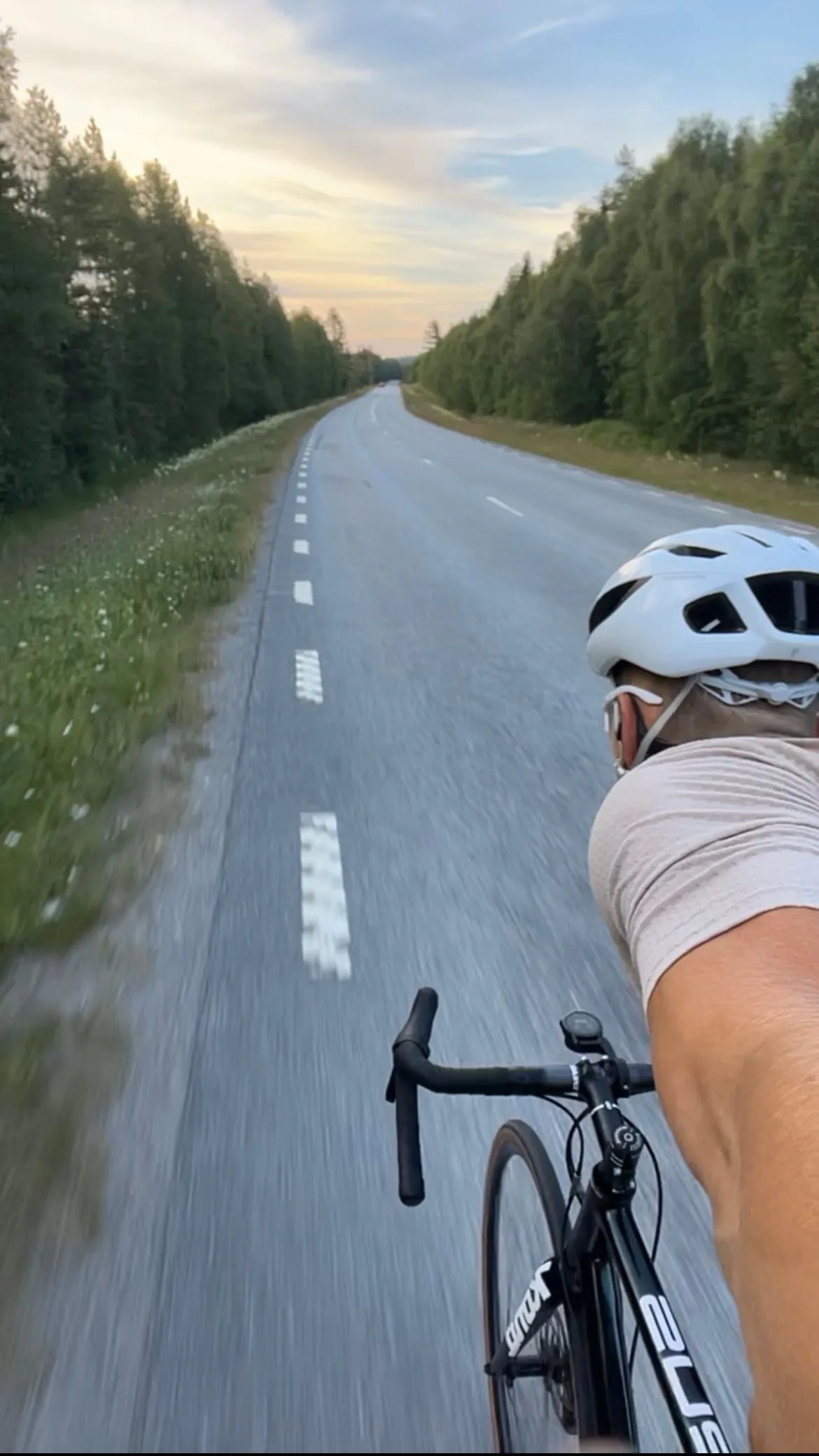
The commute never stops. It was there in May, it was there through the summer, and it was still there in race week: two days before the half he rode to work as usual, the sessions kept deliberately easy while everything else was stripped out. He arrived on the start line with a fitness (CTL) of 109 and a form reading of +8. That is what a taper is supposed to look like when the base underneath it is that wide. The unusual part is how quickly that width arrived: most athletes carry a number like that after years of accumulation. Alfred built it in about one.
The running itself was almost surgical. His weekly run volume rarely cleared 25 kilometres. He has exactly three runs over 20 kilometres in the whole build, and all three landed in the final four weeks: a 25-kilometre tempo session, then 22.6, then 21.9, each run hard against his threshold pace. One VO2max session in early July, a handful of interval runs, and that was the sharpening. The aerobic engine did not care that it had been built on a bike; the long tempo runs taught it to run, and the race cashed the whole thing in.
There is a wider summer around the numbers too. In June he joined a group ride for the second time in his life and titled the file himself: got dropped, but fun. Eleven days later he sat in for a 94-kilometre team tempo ride at 221 TSS. That is the pace of the whole project: quiet, repeatable work, punctuated by the occasional day that shows how far it has come.
Here is what the summer looks like in his Training Score:
| Week | Total | Fitness Base |
|---|---|---|
| 2026-05-17 | 82 | 89 |
| 2026-06-14 | 75 | 87 |
| 2026-07-19 | 78 | 91 |
| 2026-08-09 | 72 | 94 |
Total never dropped below 69 in thirteen straight snapshots. Fitness Base climbed five points across a summer in which he never once trained like it was a project. The score did not have to celebrate a heroic block, because there was no heroic block: there was a commute, ridden well, for months.
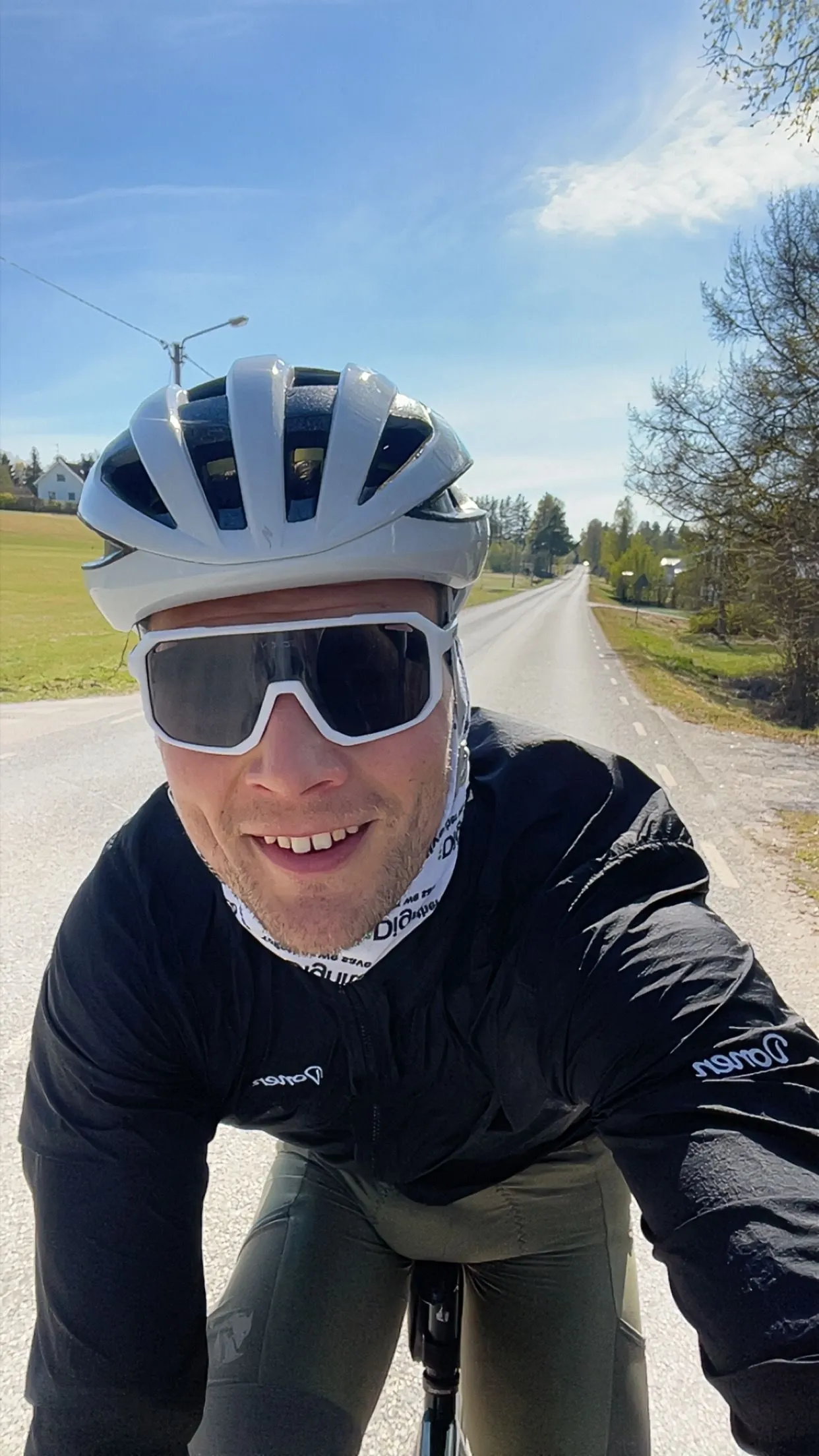
What comes next is the interesting part. The half marathon was never the summit. The sub-40 ten-kilometre that was on his list is already gone: he has since run 39:35, he tells me. And there is a bigger idea on the horizon that he is deliberately not calling a goal yet: Vasaloppet, the 90-kilometre ski classic. He is curious how far he can take the skiing, and the 31-kilometre roller-ski sessions in classic technique have already started appearing in his calendar. The bet he is making is that an engine built on a bike commute in northern Sweden transfers to snow. A year ago that engine did not exist. Watch his winter snapshots: that is where this story gets its answer.
If you want to see what your own training looks like through this lens, open your Analytics page. And if you would be up for being featured in a future spotlight, reply to any IntervalCoach email and say so.